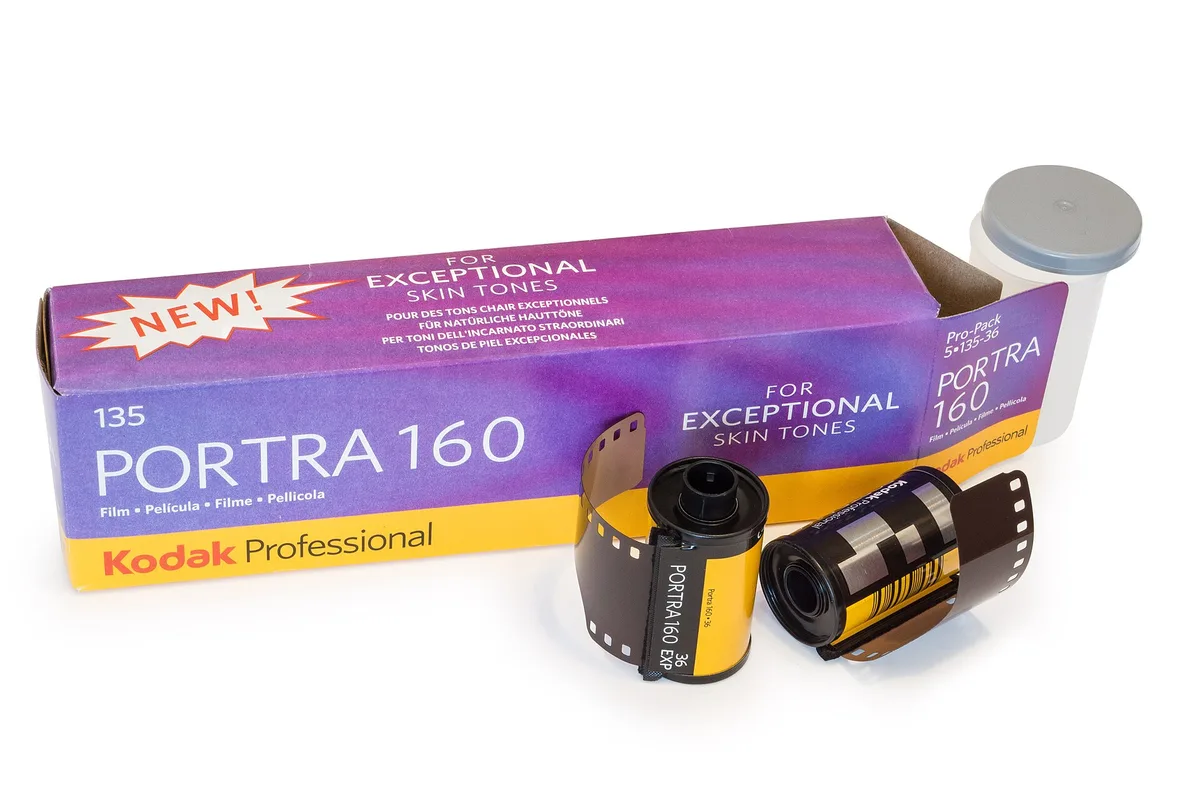
Kodak Portra 160 and Portra 400 look like near twins: one brand family, the same color negative job in life, and a single number between them. That number is the ISO speed, and it quietly sets the terms for almost everything else about how the films behave.
Speed is not a quality score. It is a trade. Knowing exactly what you give up when you buy light sensitivity is what makes the choice between these two stocks simple.
What Film Speed Actually Measures
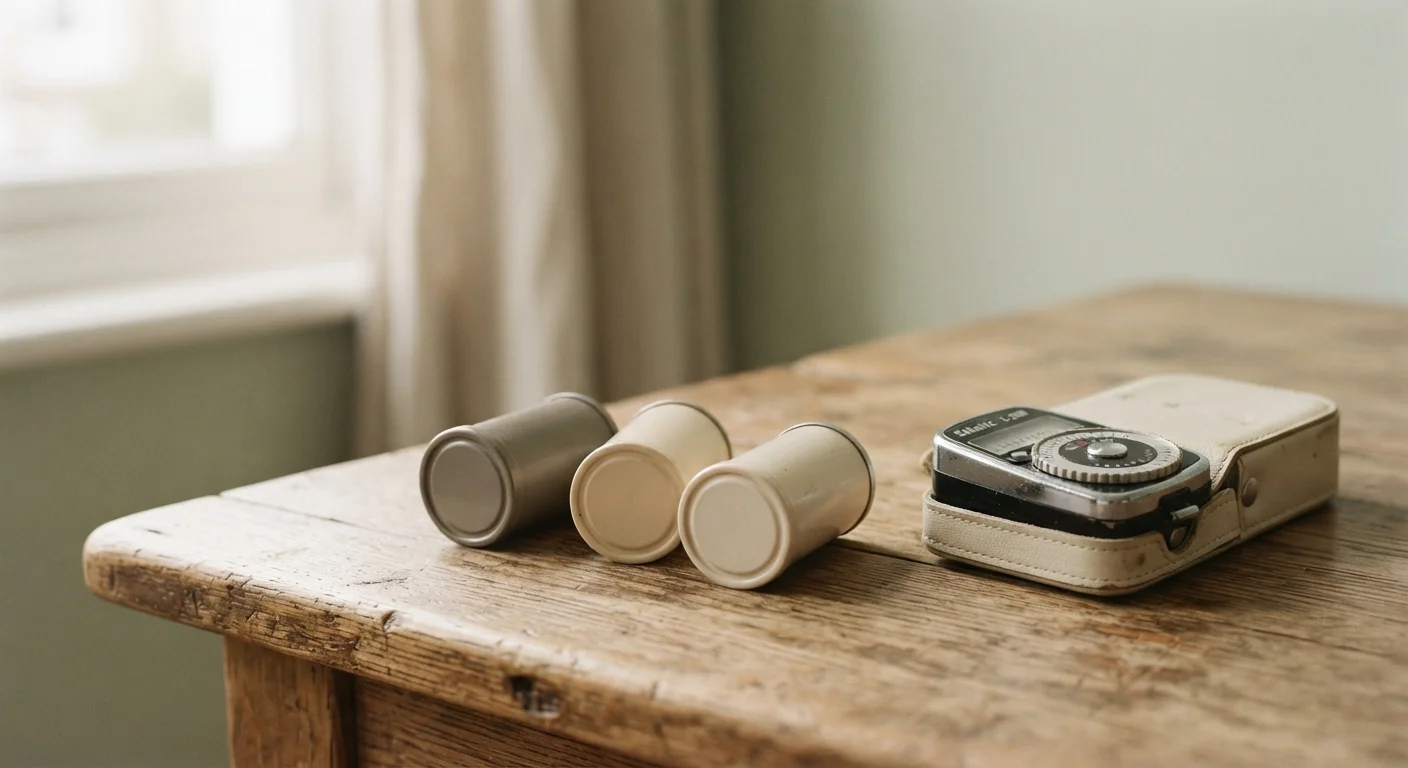
Film speed is the measure of a film's sensitivity to light. The modern scale is ISO, a system that joined the older ASA and DIN ratings in 1974. The slower box needs more light to build a full image than the faster one.
The printing on the box can look cryptic. Under ISO convention, each rating pairs its ASA number with a DIN equivalent in one standard code.
The Grain Trade-Off
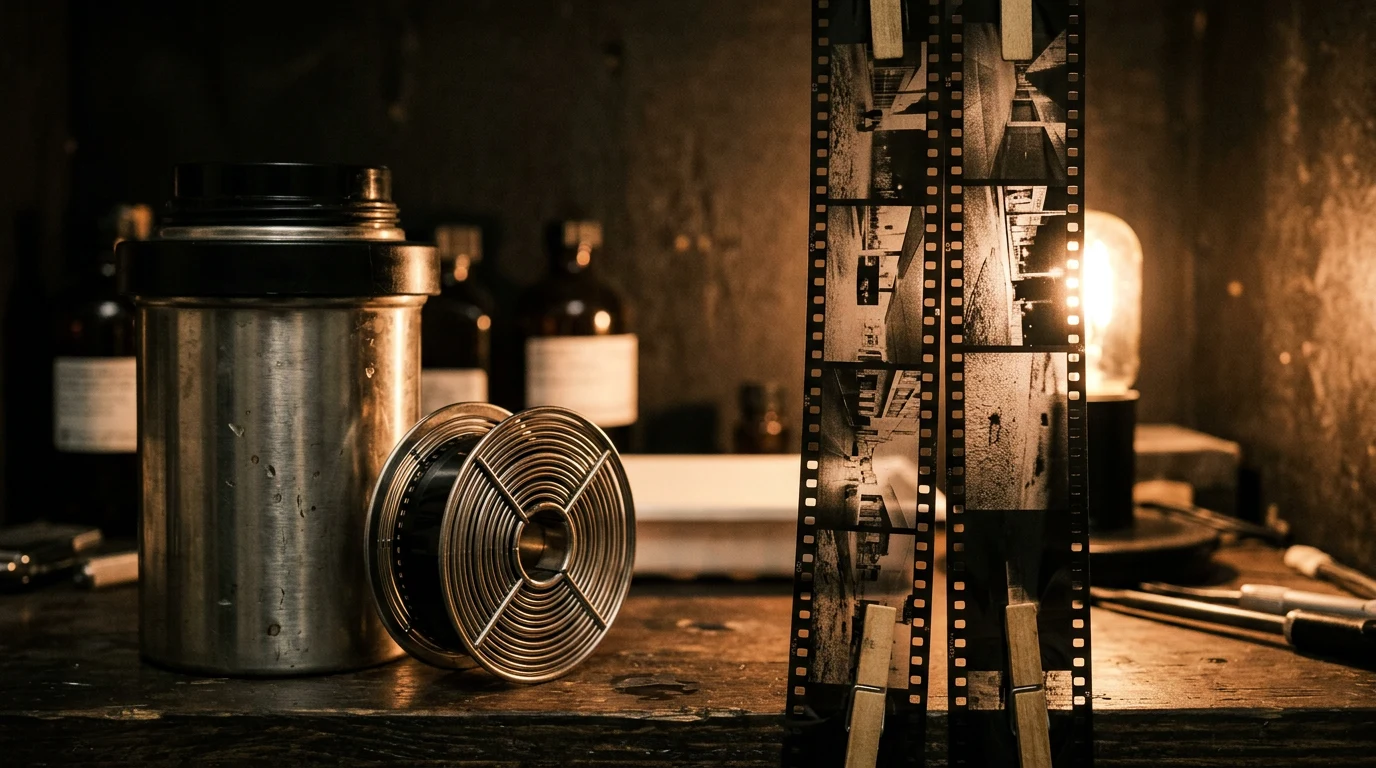
Why not shoot the fast one all the time? Because sensitivity lives in the crystals. Larger silver halide grains catch light more easily, so faster films show more grain. Lower sensitivities hold on to finer grain and more detail.
Fine grain is exactly the territory of portraiture. Film designed for portraiture is described as relatively insensitive, or slow, because it needs brighter light or a longer exposure than a fast film. Fast films earn their keep in low light or high-speed action, and they pay for it with grainier images. We covered a connected angle in Kodak Portra 800 in Low Light.
Careful exposure helps either stock. Grain varies with exposure, and underexposed film looks grainier than overexposed film. Rating the roll honestly is part of the grain plan.
When the Slower Stock Wins
The slower stock wins when light is generous and the subject holds still. The benefit of slower film is finer grain and better color rendition, which is why photographers of portraits and landscapes usually seek those qualities. A calm subject in open shade, a product on a table, a landscape waiting for you: these are the frames where the slower rating pays you back. For related coverage, see Portra 400 Is the Most Forgiving Color Film You Can Buy — That's the Whole Pitch.
Be honest about the exposure, though. Photographers who choose slow film for static subjects usually accept a longer exposure and stabilize the camera with a tripod.
When the Faster Stock Wins
Step into deep shade, evening light, or a moving subject, and the math flips. Films of ISO 800 and greater are described as better suited to low light and action, because the short exposure times limit the total light received. The faster of these two stocks sits just under that territory and follows the same logic: the higher rating reaches a usable exposure sooner, so quick moments stay within reach as the light drops.
Both of these ratings also sit inside the common consumer range of ISO 100 to 800, so neither stock asks for exotic handling. The difference between them is one of degree, not of kind.
Reading the Box Like a Datasheet
The two ratings share one system, so the comparison is clean. The headline difference on the box is the speed number, and that number drives both exposure needs and grain behavior. Push processing muddies the picture a little: a film can be pushed to behave like a higher ISO through longer or warmer development, but pushing coarsens grain, raises contrast, and trims the dynamic range.
For everyday shooting, pick by light first and grain second. The name on the box matters less than the light you actually have.
Conclusion
The slower Portra wins when you control the light: portraits, landscapes, and anything that sits still for a tripod. The faster Portra wins when light or motion fights back and you need the frame anyway.
Speed is a trade, not a grade. Choose the exposure you can actually make, and let the grain follow.