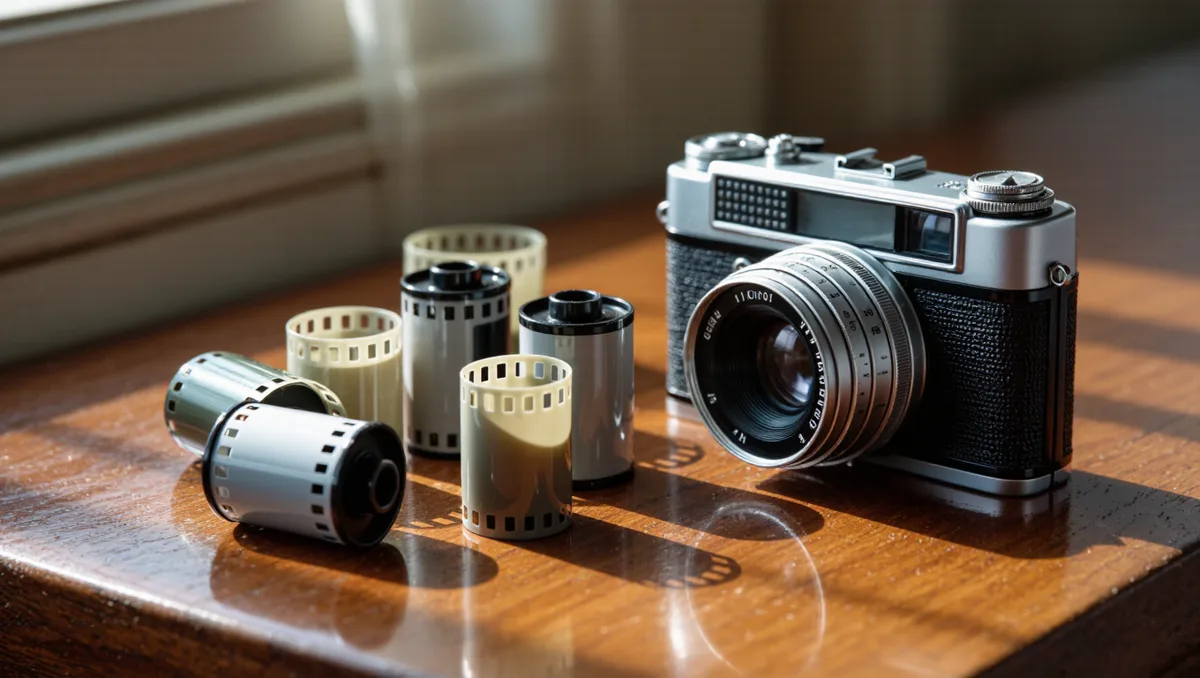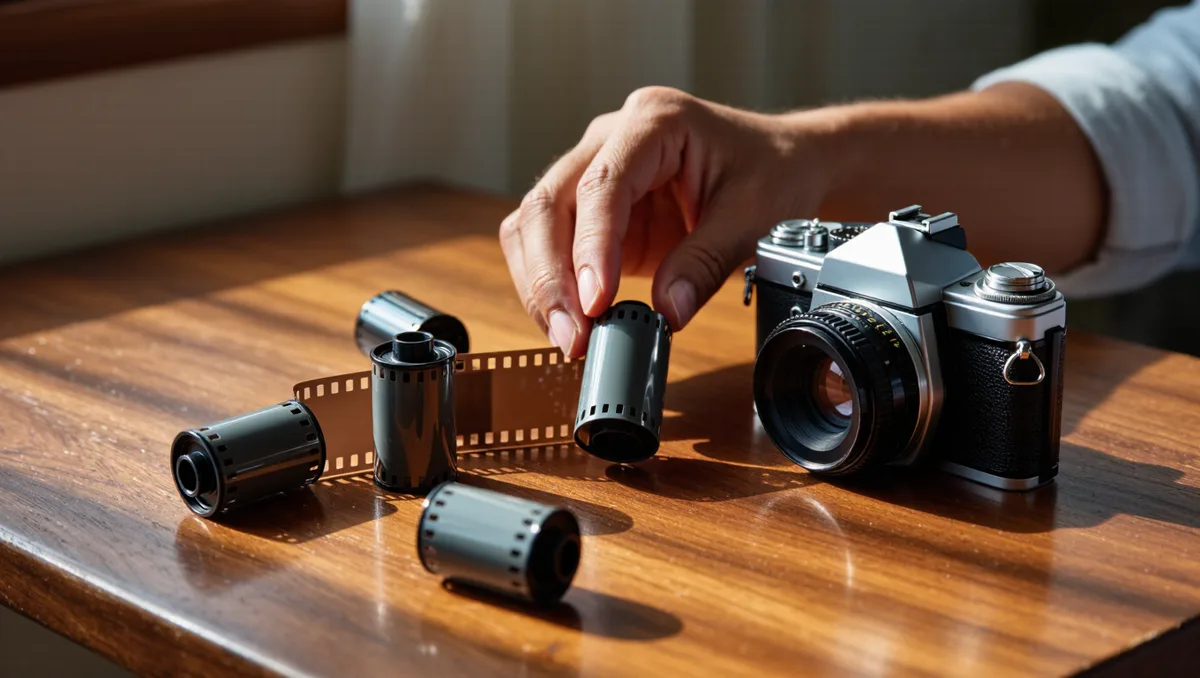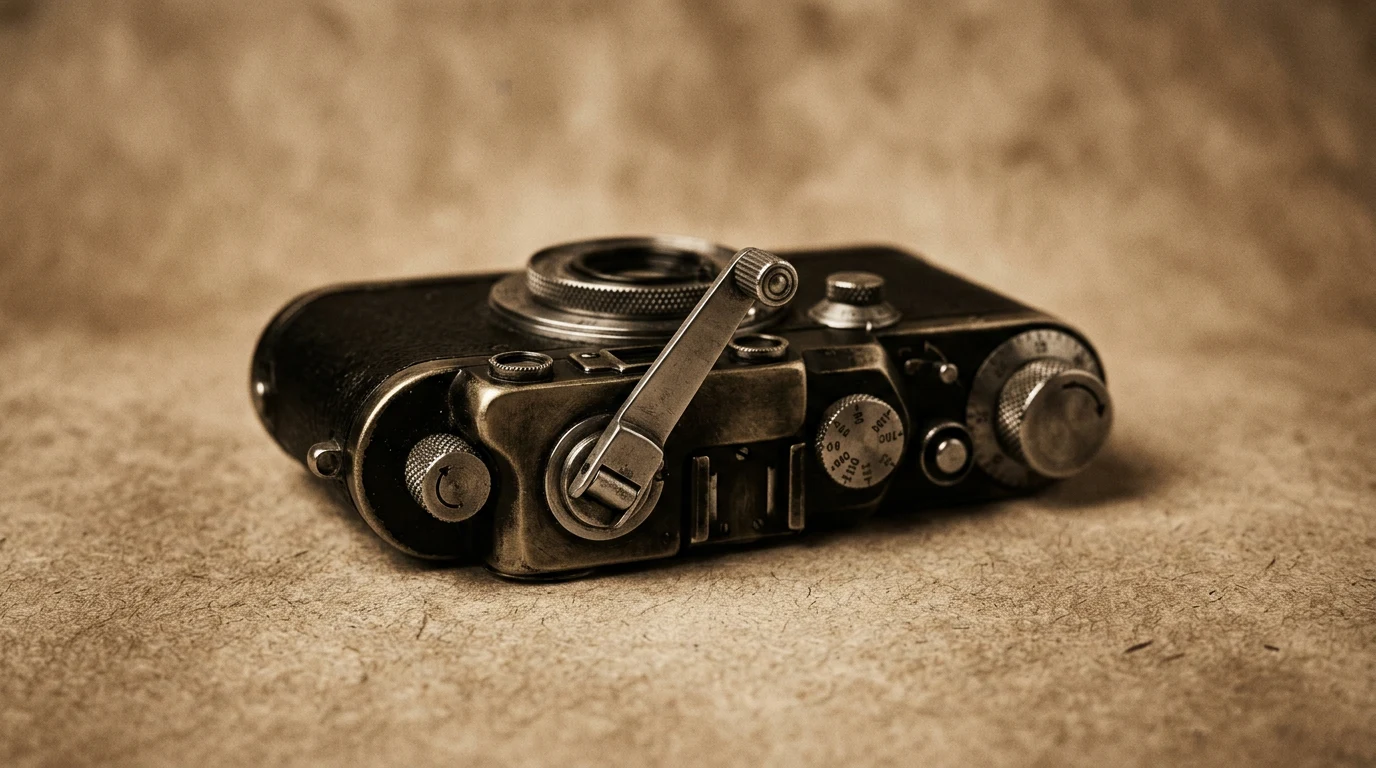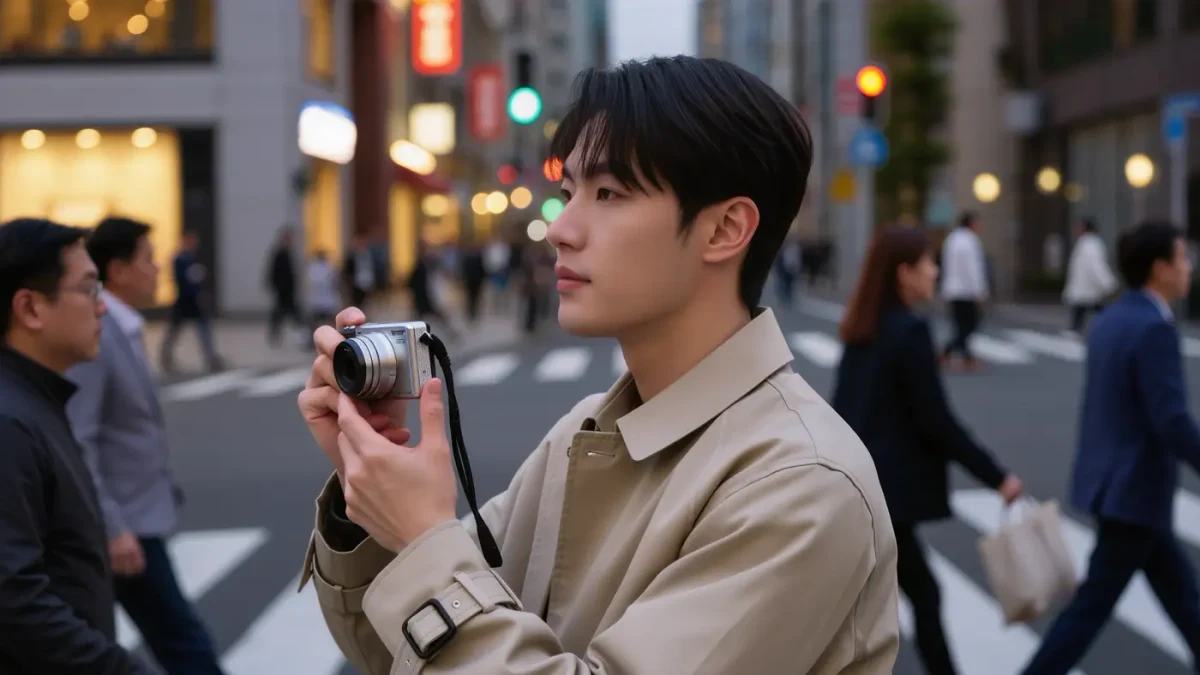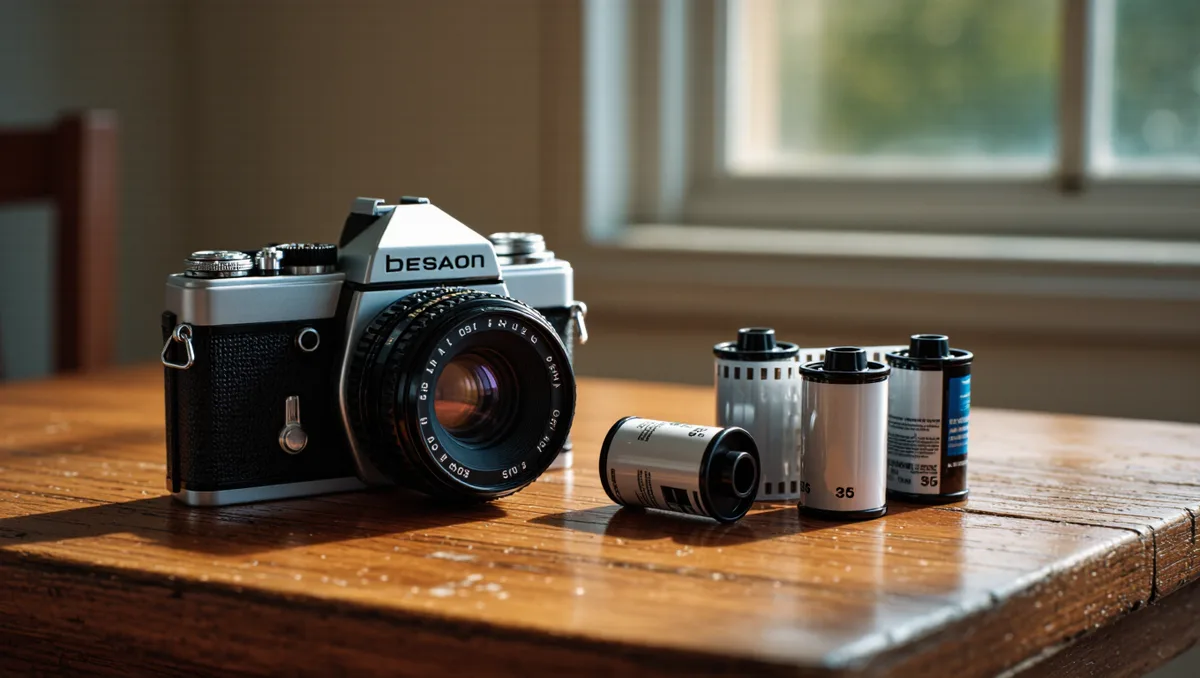
The best first film camera is rarely the expensive one. It is the dependable, unglamorous body that leaves money in your pocket for film and developing, because those running costs — not the camera — decide whether you keep shooting. A fully manual SLR or a simple point-and-shoot will teach you more than a status-symbol compact ever will.
Why a list of ten? There is a quiet logic to the number. As Wikipedia's entry on the number ten notes, ten is the base of the decimal numeral system, the way most of us count everything else — so a ten-camera shortlist is simply a full hand and then some. Treat it as a menu, not a ranking.
Before the list, the rule that matters most: buy the body cheap, buy the film often. Every dollar saved on gear is a roll you can shoot, develop, and learn from.
What Makes a Good Camera for Beginners?
A good starter film camera does three things. It works reliably without a battery or with an easy-to-find one. It exposes correctly on its own, or teaches you to expose manually without punishing every mistake. And it uses film and batteries you can still buy without a treasure hunt.
Everything else — the brand, the finish, the lens pedigree — is secondary. Beginners improve by shooting volume, and volume comes from a camera that never gives you an excuse to leave it at home. If a candidate fails any of the three tests above, walk away, no matter how pretty it looks on a shelf.
The Manual SLR Classics
The student SLRs of the film era are still the natural starting point, and our own guides cover the big names in depth. The Pentax K1000 is the textbook case: a fully mechanical, fully manual body that does nothing for you except wind and click, which is exactly why photography classes used it for decades. You see the light meter needle, you set the aperture and shutter speed yourself, and the lesson sticks.
The Canon AE-1 takes a friendlier path. It offers shutter-priority automation, so you can start by choosing the aperture and let the camera handle shutter speed, then switch to full manual when you are ready. That gentle on-ramp is a genuine feature for a beginner, not a crutch.
The Nikon FM2 sits at the tougher end: mechanical, rugged, and built to keep working long after fancier electronics have faded. It asks more of you up front, and rewards you with a body that tolerates decades of use. Any of these three, bought used and serviced, will outlast your learning curve.
Point-and-Shoots and Small Wonders
Not every beginner wants dials. If your goal is simply to shoot film well without thinking about it, a good compact earns its place. The Olympus XA is the classic example: a genuinely pocketable rangefinder-style camera with aperture-priority exposure, small enough to be with you when the picture happens. Availability is the whole game — the camera you carry beats the camera you left at home.
Zone-focus compacts are another honest entry point. Our piece on the Pentax 17 and zone focusing explains the idea: you set a distance zone, stop the lens down, and everything in that zone is sharp. No autofocus drama, no missed focus — just a simple contract between you and the film. For related coverage, see The Pentax 17 Is Proof Zone Focusing Never Went Out of Style.
One warning belongs here. Certain compact cameras have become collector trophies, and their prices reflect collectors, not usefulness. Our Contax T2 guide covers one such camera with real appeal — and a price tag a beginner does not need to pay. Admire it later; learn on something cheaper now.
Where Beginners Overspend
The classic beginner mistake is buying the dream camera first. A luxury rangefinder or a medium-format system can be wonderful, but both multiply your costs: specialty film, developing, and repairs all scale with the camera. Our Leica M6 reality check and the first medium format guide both make the same point from different directions — these are cameras to grow into, not to start on. This connects to our earlier piece, First Medium Format Camera: Start Here.
The second mistake is paying collector prices for a shooter's camera. Scuffed, well-used bodies photograph exactly as well as mint ones. Our fake vintage camera buyer's guide covers the other trap at the used market: fakes and misrepresented listings. Buy from sellers who test what they sell, and check the return policy before you check the reviews.
Practical Steps Before You Buy
Whatever body you shortlist, run the same checks. Our shutter accuracy test guide walks through it at home, but the field version is simple:
- Fire every shutter speed by ear and feel. Slow speeds should sound distinctly slower.
- Open the back and confirm the light seals are intact, not crumbled into foam crumbs.
- Check the meter against a phone light-meter app or another camera you trust.
- Wind and advance a full dummy load of film if the seller allows it. Jamming is a dealbreaker.
- Budget the first three rolls of film and their developing before you budget the body.
If the light seals fail, that is not a dealbreaker — it is a weekend project. Our darkroom section and light-seal guide cover the repair, and a little foam is far cheaper than a second camera.
What This Means for Your First Roll
The short version: pick a cheap, dependable body from the manual SLR classics or a sensible compact, verify it works before money changes hands, and spend the difference on film. Ten candidates is a full menu — the right one is whichever dependable camera gets out of your way. Our beginner's guide to choosing a first film camera goes deeper on matching a body to how you actually like to shoot, and our film section helps you pick the first stock to load it with.
The camera you can afford to make mistakes with is the one that will make you a photographer. Everything else is decoration.