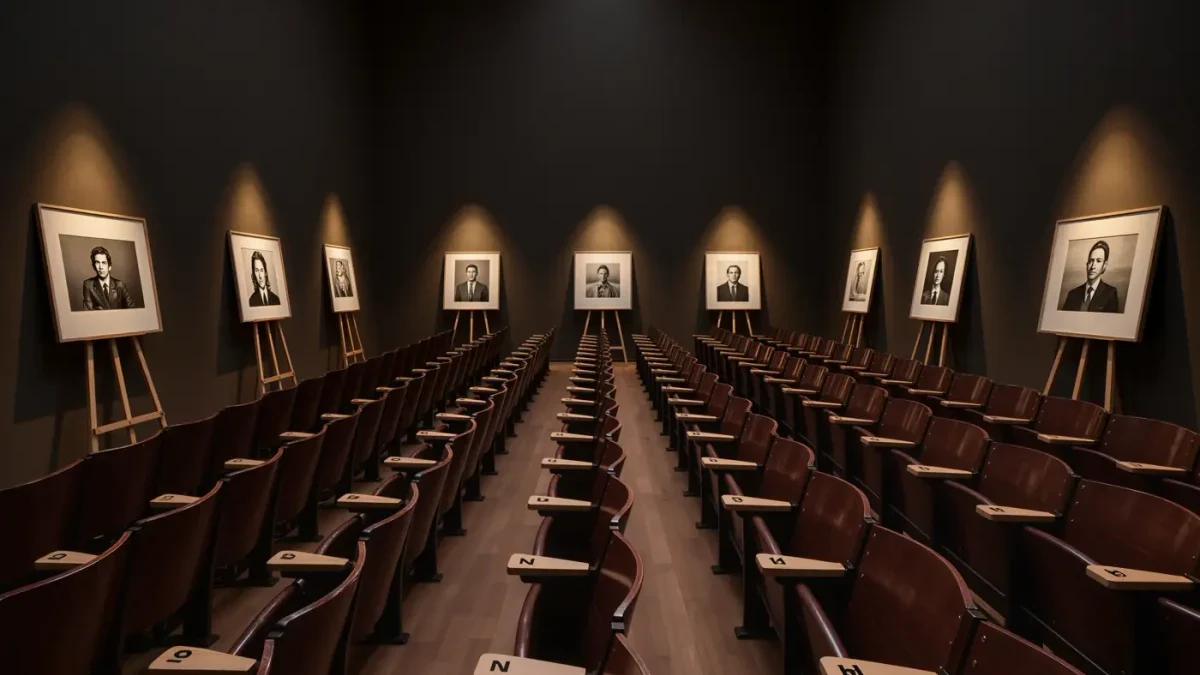
The best museums for photography are the ones that treat the medium as its own art form, not as decoration between the paintings. The Cambridge Dictionary defines "best" as the highest quality, and in photography that quality shows up in three places: depth of holdings, care of the prints, and whether you can actually stand in front of the work.
Plenty of institutions own photographs. Far fewer show them well, study them seriously, or keep the paper healthy. This guide sorts the difference, so a pilgrimage spends your money where it counts.
What follows is a reading of the field rather than a scoreboard. No collection ranking here is a guarantee; it is a map of where the medium gets its most serious attention.
What makes a photography collection worth the trip?
Depth first. A strong collection does not just hang famous single images. It holds whole bodies of work, so you can see how a photographer built a series, changed direction, and printed the same negative differently across decades. That kind of comparison only happens where the holdings run deep.
Care comes next. Photographs are objects made of paper, silver, dyes and gelatin. Light fades them. Humidity warps them. A serious museum keeps strict climate control, limits exposure time, and rotates works so nothing hangs until it fades. When you visit, dim galleries and short exhibitions are good signs, not stingy ones.
Access is the third test. Some of the greatest holdings sit in study rooms where scholars request prints by box number. That matters for research, but a traveler wants walls. The museums below earn their reputations on all three counts.
The Museum of Modern Art, New York
MoMA argued for photography as modern art when most museums still filed it under documents. Its galleries have staged the medium's defining arguments about what a photograph is, and its study collections remain a reference point for curators worldwide. For a visitor, the draw is context: photography shown beside painting, sculpture and design, the way the modernists themselves saw it. Exhibitions rotate, so check what is on view before booking.
George Eastman Museum, Rochester
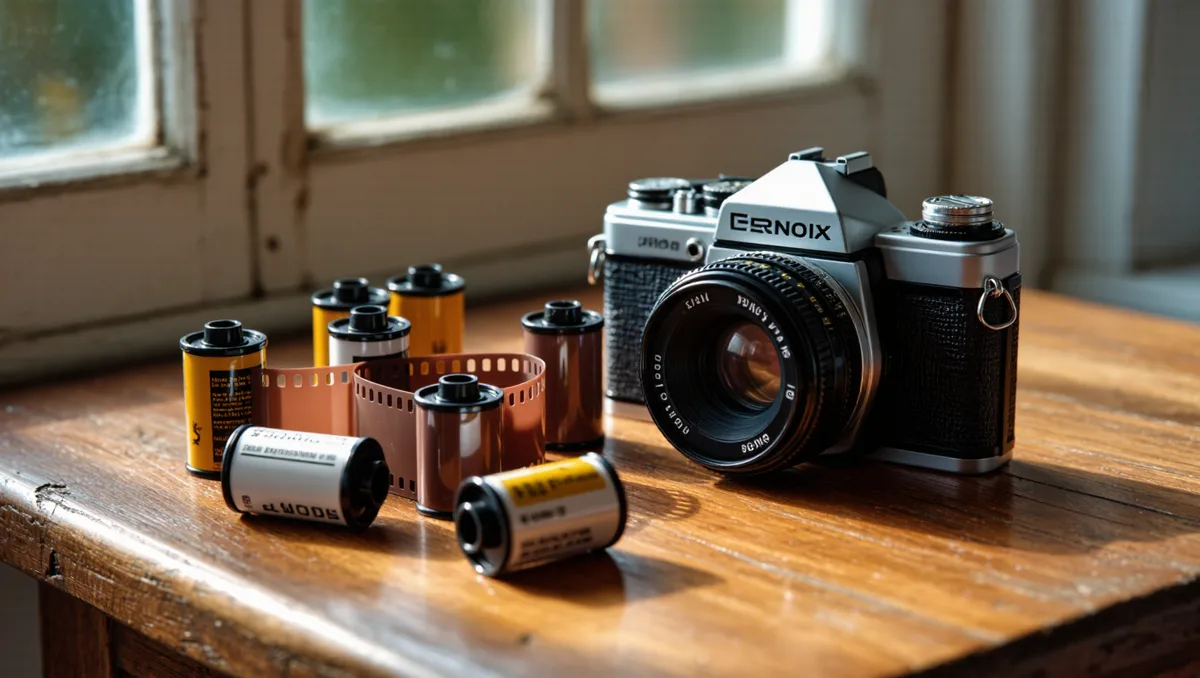
The Eastman Museum sits in the former house of the Kodak founder, and it is the rare institution that covers the whole technical life of the medium. Daguerreotypes, glass negatives, motion picture film, the chemistry, the cameras. For anyone who shoots film, this is the collection that explains the object in your hand. Our Eastman Museum Acquires 900 Works report shows the holdings are still growing, not resting on history.
Pair the visit with the museum's conservation work. Seeing how professionals stabilize a century-old print teaches more about paper and processing than any datasheet, and it feeds directly back into how you handle your own negatives in the darkroom.
The Victoria and Albert Museum, London
The V&A collected photographs almost from the invention of the process, and its dedicated photography centre brought much of that holding into public view. The strength here is range: nineteenth-century experiments sit near contemporary work, so you can trace the whole arc of the medium in one building. London also gives you the National Portrait Gallery and the Photographers' Gallery within walking distance of a day's worth of looking.
Centre Pompidou, Paris
The Pompidou built one of Europe's most substantial photography collections by treating the medium as central to modern and contemporary art rather than a wing of it. Its exhibitions tend toward arguments: whole shows built around a question about image-making. If you like your museum visits to leave you with a position to defend, this is the room for it.
The Getty, Los Angeles
The Getty's strength is the deep end of the pool: early photography, from the first daguerreotypes through the pictorialists, held alongside a serious conservation institute. Seeing a rare early print under good light, with the process explained on the wall, is the closest most of us get to holding the medium's first decades. The hilltop setting and the gardens do not hurt either.
How to plan a photography-focused museum visit
A collection is only as good as what is on the wall the day you arrive. Prints rotate for conservation, so the permanent collection you read about online may be in storage. Practical steps:
- Check the current exhibitions page, not the collection database, before you book travel.
- Look for study-room access. Many museums will let serious visitors request specific prints with advance notice.
- Give prints time. A photograph rewards a long look the way a contact sheet rewards a second pass.
- Read the wall labels for process. Knowing whether you are looking at a gelatin silver print or a pigment print changes what you see.
If the trip is part of a broader interest in where photography meets money and institutions, our Art News coverage follows the acquisitions, auctions and market moves that shape what these museums can buy. The Photography Auctions Spring 2026 report and The Art Market for Film Prints explain how prints reach these walls in the first place.
What this means for film shooters
Our analysis: the collections worth visiting are the ones that keep the whole chain intact, from the negative to the print to the paper it sits on. That is the same chain a working film photographer lives in. A museum that shows the process, not just the picture, will sharpen your eye for tonality, printing choices and paper surface faster than another gear purchase.
Go for the photographers you love, but leave with the process. That is what the best rooms give you.